
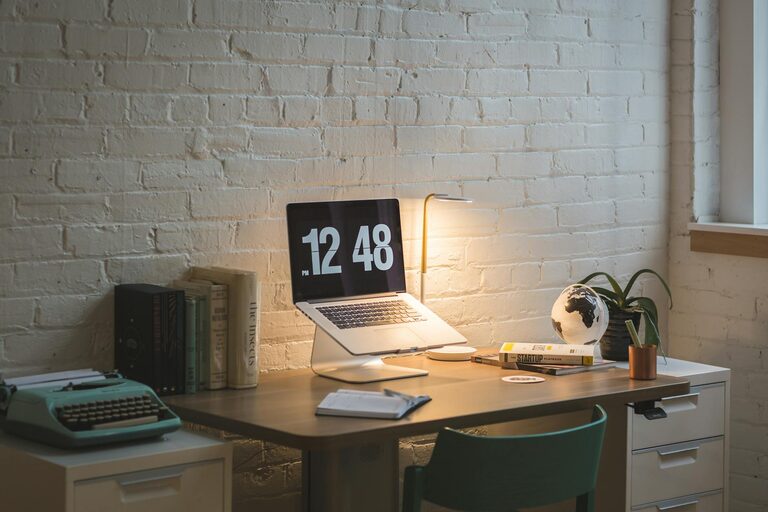
Creating a comfortable and productive home office environment is essential in today’s work culture. Whether you are working remotely full-time or occasionally handling tasks from home, your workspace greatly influences your focus, efficiency, and well-being. This post offers practical tips to help you design a home office that supports both comfort and productivity.
Choose the Right Location
Picking where to set up your home office is the first step. Ideally, select a quiet area with minimal distractions, sufficient natural light, and enough space for your desk and equipment.
Consider Natural Light
Natural light helps reduce eye strain and boosts mood. Place your desk near a window if possible, but avoid glare on your computer screen by using curtains, blinds, or adjustable monitor positioning.
Minimise Distractions
If possible, choose a room separate from high-traffic areas in your home. Use noise-cancelling headphones or white noise machines if ambient noise is unavoidable.
Invest in Ergonomic Furniture
Comfort is key to maintaining productivity during long working hours. Ergonomic furniture supports good posture and reduces the risk of discomfort or injury.
Select an Adjustable Chair
Look for chairs with adjustable height, lumbar support, and comfortable cushioning. Your feet should rest flat on the floor, and your knees should be at a 90-degree angle.
Opt for a Suitable Desk
Choose a desk height that allows your forearms to rest parallel to the ground while typing. Standing desks or adjustable desks offer the flexibility to alternate between sitting and standing.
Organize Your Workspace Effectively
An organised workspace can reduce stress and wasted time, helping you focus on your work.
Declutter Regularly
Keep only essential items on your desk. Use drawers or shelves to store supplies out of sight but within reach.
Use Storage Solutions
Bins, file holders, and cable organisers help keep your workspace tidy and free of distractions. Label folders or boxes for easy retrieval.
Set Up Proper Lighting
In addition to natural light, good artificial lighting is crucial, especially during darker hours.
Use Task Lighting
Desk lamps with adjustable brightness help illuminate your work area without causing glare on screens.
Consider Ambient Lighting
Soft overhead lighting prevents eye strain by reducing contrast between your screen and the surroundings.
Personalise Your Home Office
Adding personal touches can make your workspace inviting and motivating.
Include Plants
Indoor plants improve air quality and add a calming element to the room.
Decorate Thoughtfully
Use photos, artwork, or motivational quotes that inspire productivity and happiness without overcrowding the space.
Utilize Technology Smartly
Technology should support your workflow instead of hindering it.
Choose the Right Equipment
Ensure your computer, monitor, keyboard, and mouse are suitable for your tasks and comfortable to use.
Maintain Good Internet Connection
A reliable internet connection is essential for communication, research, and completing online work efficiently.
Establish Clear Work Boundaries
Separating work from personal life helps maintain balance and reduces stress.
Set Work Hours
Define your daily schedule and communicate it with family or housemates.
Create a Routine
Start and end your workday with specific rituals to signal the beginning or conclusion of work time.
Incorporate Movement and Breaks
Physical activity refreshes the body and mind, aiding overall productivity.
Take Regular Breaks
Use techniques like the Pomodoro method, working in focused intervals followed by short breaks.
Stretch and Move
Stand up, stretch, or walk around every hour to reduce stiffness and increase circulation.
Final Thoughts
Designing a home office that’s both comfortable and productive takes intentional effort but pays off with improved work quality and well-being. By selecting the right location, investing in ergonomic furniture, organising thoughtfully, optimising lighting, personalising your space, leveraging technology, setting boundaries, and incorporating movement, you create an environment where you can thrive. Start applying these tips today, and enjoy a better work-from-home experience.