
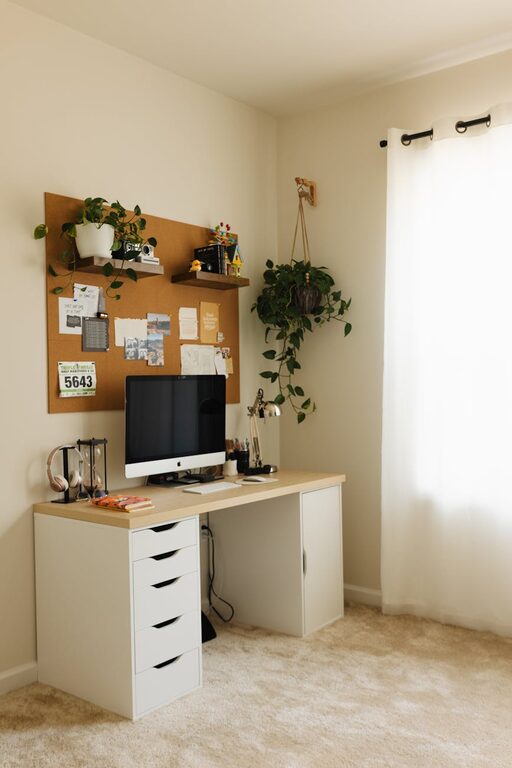
Creating a cozy and productive home office environment is essential for many people who work remotely or spend a significant amount of time on personal projects at home. A well-designed workspace can improve focus, reduce stress, and make your workday more enjoyable. If you’re looking to upgrade your home office, this guide offers practical tips on balancing comfort and efficiency.
Why a Cozy and Productive Home Office Matters
Working from home allows flexibility but also comes with challenges. Distractions, discomfort, and poor organization can reduce your efficiency. Designing a space that feels inviting yet professional helps set the right mindset, making it easier to concentrate and stay motivated.
1. Choose the Right Location
Pick a Quiet Spot
Ideally, your home office should be in a quiet area, away from high-traffic zones like the kitchen or living room. This reduces noise distractions and creates a clear boundary between work and leisure.
Consider Natural Light
A spot near a window with plenty of natural light can boost your mood and energy. Avoid glare on your screens by positioning your desk perpendicular to the window.
2. Invest in Comfortable and Functional Furniture
Ergonomic Chair
A comfortable chair with good lumbar support is vital for long hours at your desk. Adjustable height and armrests help maintain proper posture, preventing back and neck pain.
Suitable Desk
Choose a desk that fits your space and work style. If you prefer standing periodically, consider a sit-stand desk. Ensure there’s enough surface space for your computer, documents, and any tools you regularly use.
3. Organise Your Space
Declutter Regularly
Keep your workspace tidy by removing unnecessary items. A clutter-free environment promotes clarity and reduces stress.
Use Storage Solutions
Shelves, drawers, and containers help organize supplies and paperwork. Label boxes or folders for easy access.
Cable Management
Tidy cables using clips or a cable box to prevent tangling and keep your desk neat.
4. Personalise Your Workspace
Add Comfort Elements
Use soft cushions, a warm throw blanket, or a small rug to make your space physically cozy.
Decorate Thoughtfully
Incorporate plants, artwork, or photos that inspire you without overwhelming the space. Plants especially can improve air quality and create a calmer atmosphere.
5. Manage Lighting Effectively
Good lighting is essential to reduce eye strain and maintain alertness.
– Ambient Lighting: Soft, overall room lighting.
– Task Lighting: Adjustable desk lamps for focused activities.
– Avoid Harsh Lights: Use bulbs with a warm color temperature to create a soothing environment.
6. Set Boundaries Between Work and Home Life
Establish Work Hours
Define clear start and end times for your workday to maintain a healthy balance.
Limit Distractions
Use noise-canceling headphones or a white noise machine if needed. Inform family members or housemates about your schedule.
Dedicated Work Area
Reserve your home office exclusively for work. This separation helps your brain associate the space with productivity.
7. Enhance Productivity with Technology and Tools
Reliable Internet and Equipment
Ensure your internet connection is stable and fast enough to support your daily tasks. Invest in quality peripherals like a keyboard, mouse, and monitor.
Use Productivity Apps
Tools for task management, note-taking, and time tracking can help keep your work organised and focused.
8. Take Breaks and Move Regularly
Even in the coziest office, it’s important to step away occasionally. Stretch, walk around, or do a quick exercise to refresh your mind and body.
—
Creating a cozy and productive home office doesn’t require a complete overhaul. Small, thoughtful changes can make a big difference in how you feel and perform while working at home. By choosing the right location, investing in comfort, staying organized, and setting boundaries, you build a space where work feels both efficient and enjoyable.