
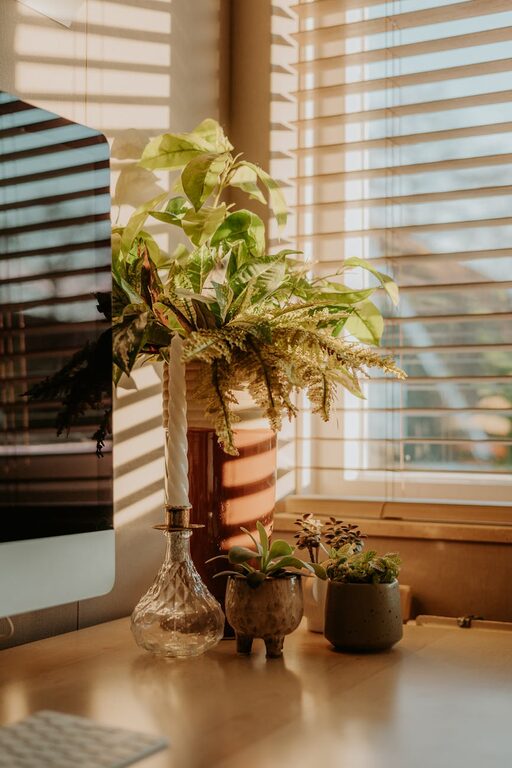
Creating a cozy and inviting home office is more important than ever in today’s flexible work culture. A well-designed workspace can improve focus, enhance creativity, and make working from home enjoyable. Whether you have a dedicated room or just a small corner, there are plenty of ways to transform your space into a comfortable and productive area.
This guide will walk you through practical tips for designing a home office that feels warm and inspiring.
Choose the Right Location
Finding the ideal spot for your home office is the first step. Consider these factors:
– Natural light: Position your desk near a window if possible. Natural light reduces eye strain and creates an uplifting atmosphere.
– Quiet environment: Pick a place with minimal distractions to help with concentration.
– Space availability: Even a small nook can be effective with the right setup.
– Proximity to essentials: Keep your office near power outlets and your internet router for convenience.
Invest in Comfortable and Functional Furniture
Comfort matters when you spend hours working at your desk.
– Ergonomic chair: Select a supportive chair with adjustable height and good lumbar support to prevent back pain.
– Spacious desk: Choose a desk that fits your equipment and allows room to work comfortably.
– Storage solutions: Use shelves, drawers, or filing cabinets to keep papers and supplies organized and out of sight.
– Optional extras: A footrest or standing desk converter can add variety and comfort.
Add Personal Touches to Make It Inviting
Your workspace should reflect your style to create a sense of belonging.
– Decorative items: Add plants, photos, or artwork for visual appeal and a positive vibe.
– Textiles: A soft rug, comfy cushions, or curtains can warm up the space.
– Lighting: Besides natural light, include task lighting such as desk lamps and ambient lighting to reduce eye strain.
– Colour scheme: Choose calming or uplifting colours like soft blues, greens, or warm neutrals to enhance mood.
Organize for Productivity and Calm
A tidy office reduces stress and maximizes efficiency.
– Declutter regularly: Remove unused items and keep your desk clear.
– Use organizers: Drawer dividers, trays, and cable management tools keep everything in order.
– Digital organization: Keep your computer desktop and files organized for quick access.
– Schedule breaks: Incorporate breaks to maintain mental clarity and avoid burnout.
Incorporate Technology Thoughtfully
Technology is essential but should support comfort and function.
– Quality equipment: Invest in a good monitor, keyboard, and mouse to reduce strain.
– Cable management: Use clips or sleeves to prevent tangles and clutter.
– Noise control: Noise-cancelling headphones or a white noise machine can improve focus.
– Charging stations: Designate spaces for charging your devices to keep cords tidy.
Maximise Comfort with Climate Control
Maintaining a comfortable temperature helps keep you alert and comfortable.
– Ventilation: Ensure your workspace is well-ventilated.
– Temperature control: Use fans, heaters, or air conditioners as needed.
– Air quality: Indoor plants can improve air quality naturally.
Create Zones for Different Activities
If space allows, define areas for different tasks.
– Work zone: Desk and main tools.
– Reading zone: A comfortable chair or small sofa for breaks or brainstorming.
– Storage zone: Shelves or cabinets to keep materials handy yet out of the way.
Final Thoughts
Designing a cozy and inviting home office doesn’t have to be complicated or expensive. By focusing on comfort, functionality, and personal touches, you can create a space that motivates and relaxes you. Start with small changes, and gradually tailor your environment to suit your needs uniquely.
Enjoy crafting your ideal home office—it’s an investment in your wellbeing and productivity!