
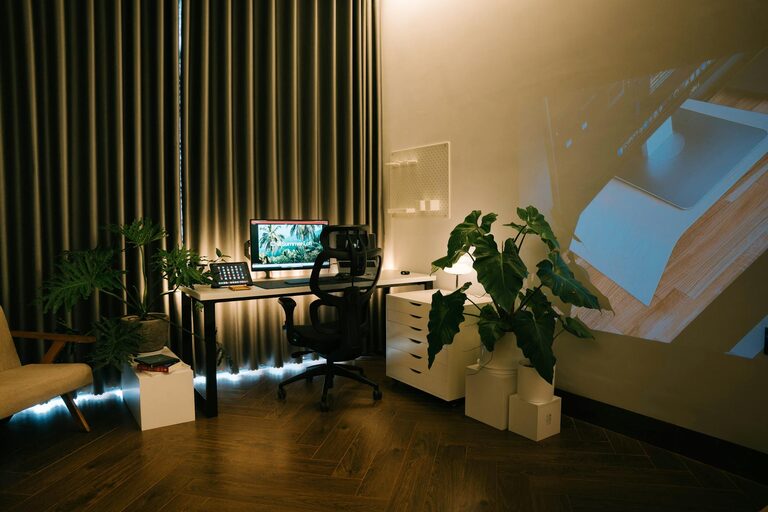
Setting up a home office that feels both cozy and productive can make a huge difference in how you work and enjoy your time at home. Whether you’re working remotely, freelancing, or managing personal projects, a well-designed space helps maintain focus and motivation. This guide offers practical tips to help you create an inviting and efficient home office environment.
Why a Cozy and Productive Home Office Matters
A comfortable workspace can reduce stress and fatigue, improving concentration and creativity. At the same time, a productive setup ensures your workday flows smoothly, minimizing distractions and keeping tools organized.
Combining comfort with functionality is key for long-term work success. Here’s how to achieve that balance.
Choose the Right Location
Selecting the right spot in your home is the first step toward an effective office.
– Natural Light: Aim for a space with plenty of natural daylight. Sunlight boosts mood and energy, making tasks easier to manage.
– Quiet Area: Pick a location away from noise and high-traffic zones to reduce interruptions.
– Space for Movement: Ensure there’s enough room to move comfortably and store your equipment.
Invest in Ergonomic Furniture
Comfortable furniture supports good posture and prevents strain.
– Ergonomic Chair: Choose a chair that offers lumbar support, adjustable height, and comfortable cushioning.
– Appropriate Desk: A desk at the correct height helps avoid wrist and shoulder tension. Standing desks or adjustable desks are great options for flexibility.
– Footrest and Monitor Stands: Small additions can improve posture and reduce discomfort.
Organize for Efficiency
A cluttered desk can distract and waste time. A tidy space promotes clear thinking.
– Declutter Regularly: Remove unnecessary items daily to keep the area clean.
– Use Storage Solutions: Shelves, drawers, and boxes help keep supplies organized and within reach.
– Cable Management: Use clips or sleeves to keep cords tidy and prevent tangling.
Personalize Your Space
Adding personal touches increases comfort and motivation.
– Decor: Choose colors and decorations that make you feel relaxed but focused. Plants, artwork, or inspirational quotes can add warmth to the room.
– Lighting: Combine natural light with adjustable lamps that reduce eye strain in darker hours.
– Comfort Items: A cozy blanket, a warm rug, or cushions improve physical comfort.
Minimize Distractions
Keeping distractions low is essential for productivity.
– Dedicated Workspace: Avoid working in bedrooms or areas primarily for leisure, if possible.
– Set Boundaries: Inform household members of your work schedule to limit interruptions.
– Noise Control: Use noise-cancelling headphones or soft background music to maintain focus.
Optimize Technology Setup
Reliable technology streamlines your workflow.
– Fast Internet Connection: A stable, high-speed internet connection prevents frustrating delays.
– Quality Equipment: Invest in a good monitor, keyboard, and mouse to enhance comfort and efficiency.
– Backup Power: Consider a surge protector or UPS to protect devices from power issues.
Create a Routine and Breaks
Even the best space needs healthy habits to support productivity.
– Set Work Hours: Define clear start and end times to maintain work-life balance.
– Take Breaks Regularly: Short breaks refresh your mind and reduce fatigue. Try the Pomodoro Technique or simple stretching.
– End-of-Day Ritual: Organize your desk and plan tasks for tomorrow to close the workday with a sense of accomplishment.
Enhance Air Quality and Comfort
Good air quality and temperature regulation keep you alert.
– Ventilation: Open windows when possible or use air purifiers to maintain fresh air.
– Temperature Control: Adjust heating or cooling to a comfortable level, as extreme temperatures can distract you.
– Plants: Indoor plants improve air quality and bring a relaxing natural element to your office.
Maintain Work-Life Separation
Finally, respecting boundaries between work and personal life is crucial.
– Physical Separation: Close the office door or use screens to define your work zone.
– Digital Boundaries: Turn off work notifications when the day ends.
– Wind Down: Develop habits that help you transition from work mode to downtime.
—
Conclusion
Creating a cozy and productive home office is about balancing comfort and function in a way that suits your unique needs. Thoughtful design, organization, and habits can transform any space into a place where you not only get work done but feel good doing it. Start with these tips and personalize your workspace to foster motivation and well-being every day.